


Sheds Direct Alternatives for Homeowners
Table of Contents
- Why Homeowners Look Beyond Sheds Direct
- Metal Storage Sheds: Durability and Long-Term Value
- Resin and Plastic Storage Solutions
- Storage Shed Permit Requirements and HOA Compliance
- Prefabricated Shed vs. Custom Build: What Makes Sense
- Comparison Table: Storage Shed Options and Pricing
- Space-Saving Alternatives for Small Yards
- What to Look for in a Shed Provider
Last Updated: August 19, 2026
Why Homeowners Look Beyond Sheds Direct
Not every storage solution works for every yard. Some homeowners face HOA restrictions that ban traditional wooden structures. Others have yards too small for a standard 8x10 shed. Still others want durability guarantees beyond what mass-market retailers offer. This guide explores storage shed alternatives that address these real-world constraints and helps you understand what separates a smart investment from an impulse purchase you'll regret.
At Home Outpost Supply, we provide a curated selection of durable garage storage systems, outdoor kitchens, sheds, and reliable home energy solutions designed to bring order and efficiency to your daily life. Below, we'll show you exactly how to evaluate your options and find the storage solution that works for your situation.
Metal Storage Sheds: Durability and Long-Term Value
Factory-Direct Metal Sheds
Metal storage sheds represent the most durable option for homeowners willing to invest upfront for decades of reliable performance. Unlike wooden structures that rot or require constant maintenance, galvanized steel and coated metal panels resist rust, UV damage, and pest intrusion without ongoing expense.
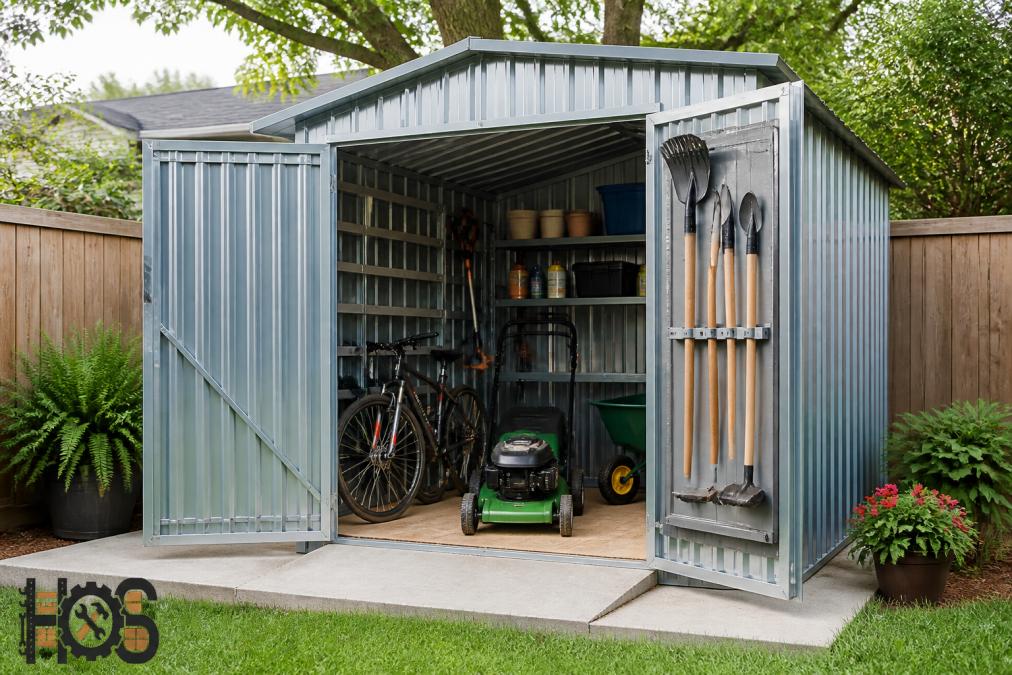
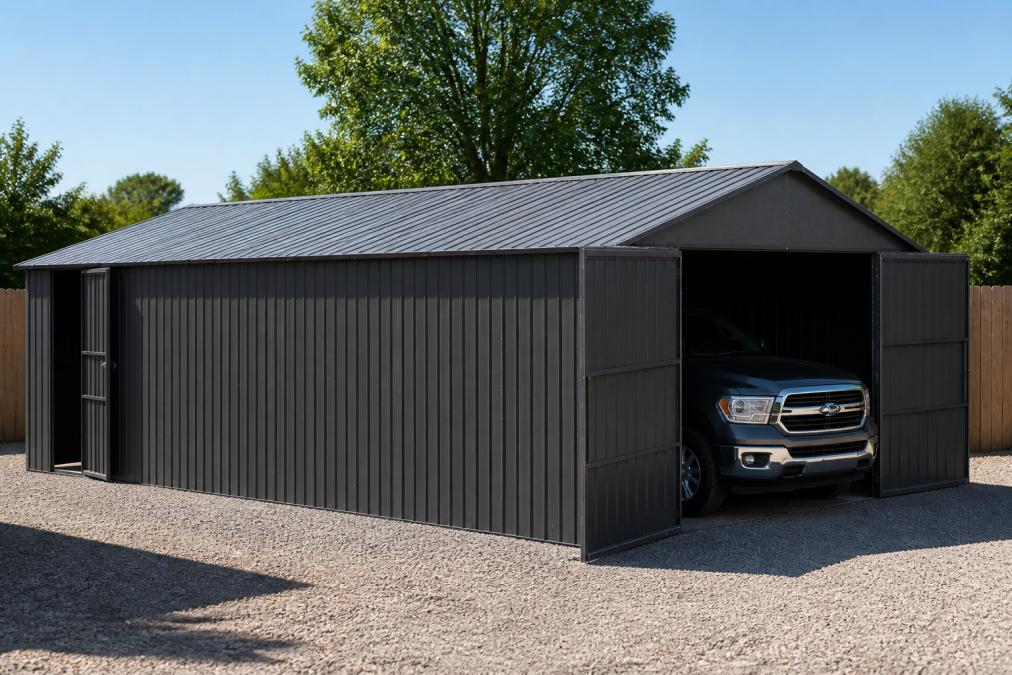
Factory-direct metal sheds come prefabricated in modular panels that ship flat and assemble on-site. This reduces shipping costs and makes installation manageable for homeowners with basic tools and a helper. The VIWAT Outdoor Metal Storage Shed features a lockable door, window for visibility, and rot-proof metal frame with waterproof roof, designed for easy assembly with clear instructions.
The key advantage of factory-direct pricing is transparency. You're buying directly from the manufacturer rather than through retail markups, which means the $690-$1,399 price range reflects actual material and production costs. Larger models like the 13'x20' Metal Shed with Double Front Doors provide 260 square feet of storage, enough for a riding mower, tool collection, seasonal equipment, and workspace.
Galvanized Steel vs. Coated Options
Galvanized steel uses a zinc coating applied through an electrochemical process that bonds directly to the metal surface, creating a barrier that self-heals small scratches. This typically lasts 20-30 years with minimal maintenance.
Coated steel uses paint or powder-coat finishes applied over the base metal. These provide aesthetic flexibility, the 10' x 12' Outdoor Steel Storage Shed with Woodgrain Panels offers warm wood appearance without rotting or ongoing maintenance, but require inspection and touch-ups if scratches penetrate the protective layer.
For most homeowners in humid or coastal environments, galvanized steel is the more practical choice due to its self-healing properties. Coated options work well if you prioritize appearance and are willing to maintain the finish every 2-3 years.
Resin and Plastic Storage Solutions
Resin storage sheds represent a middle ground between metal durability and wood aesthetics. Constructed from high-density polyethylene or polypropylene, these structures won't rot, rust, or require painting. They're lightweight enough for single-person assembly yet rigid enough for heavy equipment storage.
The XWT012 6x8 Plastic Storage Shed offers 48 square feet of storage in a compact footprint, ideal for small yards where a traditional 8x10 would dominate the landscape. Resin sheds typically cost $200-$300 per square foot versus $80-$150 for metal, but lower maintenance and extended warranties (often 10-15 years) can justify the premium.

Quality resin structures use reinforced walls and gable roofs designed to shed water and prevent sagging. However, extreme heat can cause slight warping, and UV exposure over 15+ years can fade color. Most manufacturers address this with UV-stabilized resins.
Storage Shed Permit Requirements and HOA Compliance
Before ordering any shed, understand your local requirements. Most jurisdictions require permits for structures over 100-120 square feet, and many HOAs impose restrictions on shed size, materials, color, or placement regardless of local code.
Permit requirements depend on the shed's footprint and height. A 10x10 shed (100 sq ft) usually sits at the threshold where permits become mandatory. The application process typically involves submitting site plans showing location, distance from property lines, and material specifications. Processing times range from 2-6 weeks.
HOA restrictions are often more stringent than local code. Many HOAs limit sheds to specific materials (often wood-look finishes only), maximum heights (typically 8-10 feet), and setback requirements (often 5-10 feet from property lines). Some HOAs ban metal sheds entirely, while others require architectural approval before installation.
The practical workaround for HOA-restricted homeowners is choosing resin sheds with woodgrain finishes or smaller metal sheds positioned strategically. Some homeowners explore portable storage solutions.
Prefabricated Shed vs. Custom Build: What Makes Sense
The prefabricated vs. custom debate comes down to timeline, budget, and whether you need specific spatial or aesthetic requirements that off-the-shelf options don't address.
Prefabricated sheds arrive as modular kits with pre-cut panels, pre-drilled holes, and hardware included. Assembly typically takes 8-16 hours for a standard 8x10 or 10x12 shed with two people. You know exactly what you're getting, the cost is fixed, and installation is straightforward. The 13'x20' Metal Shed with Double Front Doors arrives with detailed assembly instructions and can be installed as a weekend project.
Custom builds offer flexibility but introduce complexity. A contractor designs a shed to your exact specifications, sources materials, and manages construction on-site. This costs 30-50% more and extends timeline to 6-12 weeks. Custom builds make sense only if prefabricated options don't fit your space or you need specialized features like built-in workbenches or electrical wiring.
For most homeowners, prefabricated is the practical choice due to cost savings, predictable timeline, and higher quality control.DIY Assembly and Installation Timelines
Assembly difficulty varies by material. Metal sheds with modular panels are easiest: you're bolting together pre-cut pieces in 12-16 hours with one helper. The 10'x20' Plus Upgraded Metal Shed includes detailed step-by-step instructions and requires standard tools.
Resin sheds take 16-20 hours and require patience during alignment to prevent gaps and door issues. Wooden sheds require the most skill for roofing, siding, and door installation.
Before assembly, proper site preparation is essential. The foundation must be level, compacted, and stable. Most manufacturers recommend concrete slabs or solid wood foundations. Uneven ground causes doors to stick, roof panels to separate, and structural shifting. Spend a full day preparing the site before assembly, this single step determines whether your shed lasts 10 or 25 years.
Comparison Table: Storage Shed Options and Pricing
| Shed Type | Starting Price | Square Footage | Best For | Maintenance |
|---|---|---|---|---|
| Metal (factory-direct) | $690-$1,399 | 80-260 sq ft | Long-term durability, industrial use | Minimal (inspect hinges annually) |
| Resin/Plastic | $1,998+ | 48-120 sq ft | Small yards, HOA compliance | Annual cleaning, UV monitoring |
| Wooden (traditional) | $800-$2,500 | 80-200 sq ft | Aesthetic appeal, custom builds | Staining/sealing every 2-3 years |
| Portable/Canvas | $300-$1,200 | 40-80 sq ft | Temporary storage, renters | Seasonal setup/takedown |
Space-Saving Alternatives for Small Yards
Not every homeowner has room for a traditional 8x10 shed. If your yard is smaller than a quarter-acre or already crowded, vertical storage systems and compact solutions offer practical alternatives.
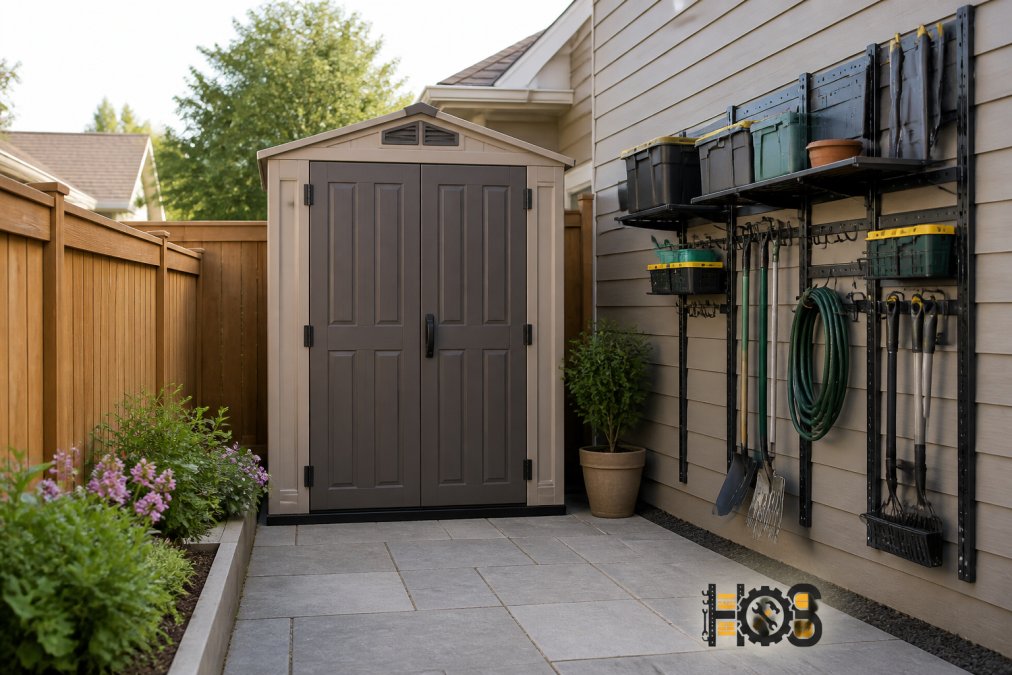
Vertical storage racks and wall-mounted systems use existing fence lines or garage walls to store tools, bikes, and seasonal equipment without consuming floor space. A 4-foot-tall wall-mounted rack holds rakes, shovels, hoses, and extension cords while taking up only 2-3 square feet of wall space.
Deck boxes and bench storage combine seating with storage, making them dual-purpose additions to small patios. A 4x2-foot resin deck box holds seasonal cushions, pool supplies, or garden tools while providing seating, typically costing $200-$600.
Tiered shelving systems multiply storage capacity in tight spaces. A 6-foot-tall tiered shelf unit occupies only 2 square feet of floor space but provides 12+ square feet of storage surface for paint cans, potting soil, fertilizers, and smaller tools.
The practical limitation of vertical storage is that it works best for lightweight items. Heavy equipment like riding mowers or generators still need a dedicated structure. But for homeowners whose primary need is organizing hand tools, seasonal decorations, and garden supplies, vertical systems often provide sufficient capacity without requiring a building permit or HOA approval.
What to Look for in a Shed Provider
Choosing between shed providers matters as much as choosing the shed itself. Three factors determine the difference between a reliable supplier and a frustrating experience: shipping and delivery, assembly support, and warranty coverage.
Shipping logistics determine whether your shed arrives safely. Reputable providers use insured shipping and require signature confirmation for large orders. Home Outpost Supply includes insured shipping on all orders and provides tracking information. Damage during transit is rare with proper packaging, but insurance protects your investment.
Assembly support varies widely. Some suppliers provide PDF instructions only. Others offer phone support during assembly or send installation crews for an additional fee. The best providers include clear, step-by-step instructions with diagrams and a support phone line for questions during assembly.
Warranty coverage reveals manufacturer confidence in their product. Metal sheds typically carry 5-10 year warranties against rust and structural failure. Resin sheds often include 10-15 year warranties. Read the fine print: some warranties cover materials only, while others include labor for replacements.
Customer support quality separates good suppliers from great ones. Before ordering, check whether the company has a dedicated support team available by phone or email. A company that answers questions quickly before the sale will likely provide good support after the sale.
Finding the right storage shed alternative requires matching your specific constraints, space limitations, HOA restrictions, climate conditions, and budget, with the right solution. Metal sheds offer unbeatable durability and value for most homeowners. Resin options work well for small yards or HOA-restricted communities. Vertical storage systems solve the problem for those with minimal space. Verify local permit requirements and HOA compliance before ordering, then choose a provider like Home Outpost Supply that stands behind their products with insured shipping, secure payment processing, and dedicated support throughout installation. Your storage solution should reduce stress and bring order to your space.
Frequently Asked Questions
Do I need a permit for a backyard storage shed?
Permit requirements vary by location and local building codes. Most jurisdictions require permits for sheds over 100-120 square feet or structures over 10-12 feet tall. Check with your local building department before purchasing. Some areas also have HOA restrictions that limit shed size, materials, or placement regardless of permit status. Getting permits upfront prevents costly removal orders later and ensures your storage shed meets foundation and safety requirements for your climate zone.
Is it cheaper to buy a prefabricated shed or build a custom one?
Prefabricated sheds are almost always cheaper upfront. Factory-direct options like metal sheds start at $690 and include materials, design, and delivery. Custom builds require hiring contractors, sourcing materials separately, and managing labor costs, often totaling $2,000-5,000+ for comparable square footage. However, prefabricated sheds offer faster installation (typically a weekend with two people) and predictable costs. Custom builds take weeks and risk budget overruns. For most homeowners, a quality prefabricated shed delivers better value and faster results.
What are the best durable outdoor storage alternatives to traditional sheds?
Metal sheds with galvanized steel coating offer the best durability for harsh climates, resisting rust and rot for 15-20+ years with minimal maintenance. Resin sheds work well in moderate climates and require zero maintenance. For small yards, vertical storage systems, deck boxes, and wall-mounted racks provide weatherproof alternatives without permanent structures. Metal carports offer open-sided storage for vehicles and equipment. The best choice depends on your climate, available space, and what you're storing. Metal sheds excel for tool storage; resin works for seasonal items; vertical systems maximize tight spaces.
How do I know if a shed will actually hold up in my climate?
Check the manufacturer's wind load and snow load ratings against your region's weather data. Metal sheds with galvanized steel coating handle 40-50 mph winds and 20-40 lbs per square foot of snow. UV-resistant coatings protect against sun damage in hot climates. Resin sheds work better in temperate zones; metal is superior in coastal, snowy, or high-wind areas. Look for sheds with proper ventilation (4+ vents) to prevent moisture buildup that causes rust or mold. Read warranty coverage, most quality manufacturers guarantee 10-15 years against rust and weather damage, which signals durability confidence.


Leave a comment
This site is protected by hCaptcha and the hCaptcha Privacy Policy and Terms of Service apply.