


Home Depot vs Lowe's vs Online Sheds: Quality & Durability
Table of Contents
- Home Depot, Lowe's, and Specialized Online Retailers: What Sets Them Apart
- Wood vs Metal vs Resin Sheds: Material Differences That Matter
- Price and Value: What You Actually Pay
- Shed Warranty Comparison: Protection and Service Responsibility
- Shed Delivery and Installation: Getting Your Shed Ready to Use
- Shed Foundation Requirements: The Hidden Cost of Durability
- Build Quality and Long-Term Performance: What the Data Shows
- Which Option Wins for Your Situation
- Frequently Asked Questions
Last Updated: October 16, 2026
Home Depot, Lowe's, and Specialized Online Retailers: What Sets Them Apart
When you're shopping for a shed, the choice feels straightforward at first. Home Depot and Lowe's sit five minutes from most suburban homes. Online retailers like Home Outpost Supply ship directly to your door. But here's what most homeowners miss: the real difference isn't convenience.
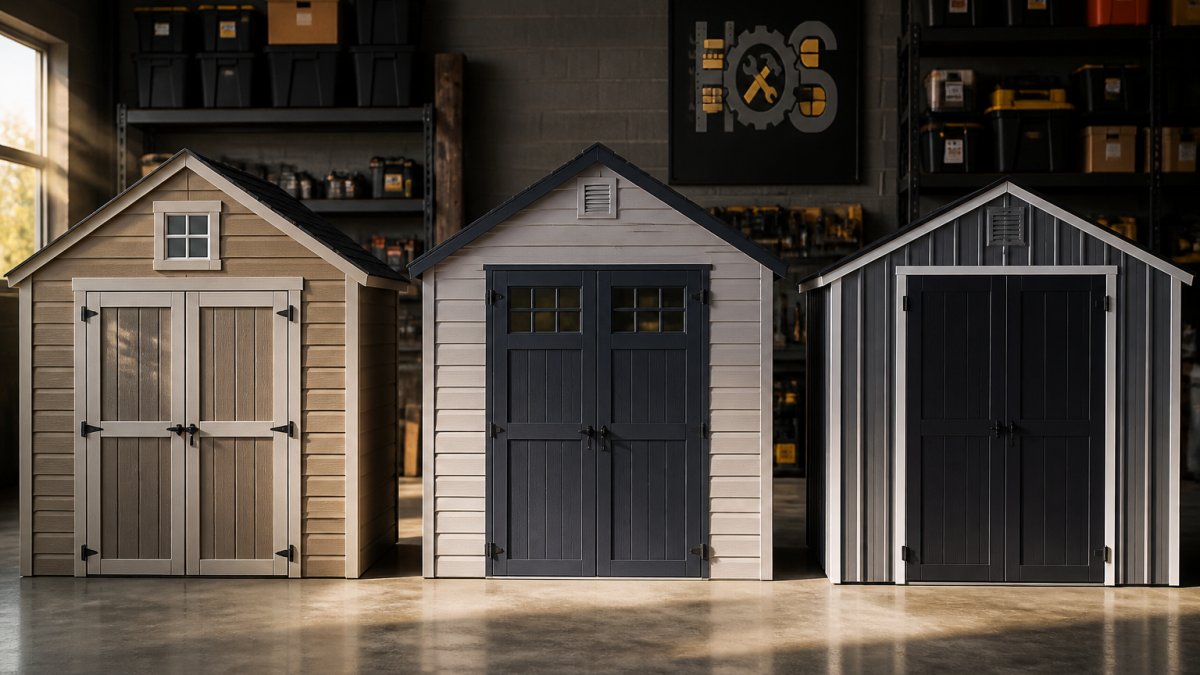
How do Home Depot or Lowe's sheds compare to specialized online retailers for quality and durability? The answer depends on what you prioritize. Big-box stores offer immediate availability and lower entry prices, but their inventory skews toward budget models with limited customization. Specialized online retailers focus on durability, materials, and long-term performance.
The patterns are clear: shoppers who prioritize durability and peace of mind tend to choose specialized retailers. Those who need something fast and don't mind replacing it in five years often start at the big box store. Both approaches work, it just depends on your situation.
Wood vs Metal vs Resin Sheds: Material Differences That Matter
The material you choose determines everything else: how much maintenance you'll do, how long the shed survives in your climate, and what you'll actually enjoy looking at in your backyard.
Wood Sheds: Traditional Appeal vs Long-Term Maintenance
Wood sheds look beautiful. That's their strength and their weakness. A wooden shed adds warmth and character that metal or plastic can't match. But wood demands constant attention. Every few years, you're staining or painting. Moisture seeps in. Rot starts in corners you can't see until it's too late. In humid climates or areas with heavy rain, wood sheds often fail faster than their owners expect.
The real trade-off: if you love the look and you're willing to treat wood like you treat a wooden deck, it works. If you want to install a shed and forget about it for a decade, wood isn't your answer. Home Depot and Lowe's stock wood sheds, and they're usually the cheapest option upfront. But the maintenance costs add up quickly. Many homeowners end up replacing them within 7-10 years.
Metal Sheds: Rust Resistance and Durability
Metal sheds, especially galvanized steel models, offer durability that wood can't match. Galvanized steel won't rot. It resists weather better than wood. The downside? Metal sheds can feel industrial. They conduct heat in summer. They rust if the galvanization gets damaged. And they can be loud during heavy rain.
The American Galvanizers Association confirms that properly galvanized steel can last 50+ years outdoors with minimal maintenance. That's a real advantage. Specialized retailers like Home Outpost Supply stock steel sheds with woodgrain finishes that bridge the gap, you get the durability of metal with a warmer appearance. The 10' x 12' Woodgrain Steel Storage Shed with Double Doors & Gable Roof ($1,920.72) combines galvanized steel construction with attractive paneling, offering the longevity of metal without the industrial look.
Resin Sheds: Low-Maintenance Storage
Resin (plastic) sheds are the maintenance-free option. No painting. No staining. No rust. They're lightweight, which makes installation easier. They won't rot or splinter. In theory, they're perfect.
The catch: resin can become brittle in extreme cold. UV exposure can fade the color over time. Some resin sheds feel flimsy compared to solid steel or wood. But mid-to-premium resin models hold up well with virtually no upkeep. They work especially well in moderate climates where you're not dealing with extreme temperature swings or intense UV exposure.
Home Outpost Supply offers two excellent resin options. The Patiowell 8' x 12' Resin Storage Shed with Floor, Windows & Lockable Door ($3,090.10) adds windows and an integrated plastic floor, giving you natural light and better organization without extra maintenance.

Price and Value: What You Actually Pay
Sticker price is only part of the cost. Here's what most shoppers overlook.
Big-box sheds at Home Depot and Lowe's often start cheaper: $800-$1,500 for basic models. But they come with hidden costs. Many require professional assembly. Foundation work isn't included in the price. Delivery charges surprise buyers. Warranty coverage is limited, often just 1-2 years. When something breaks, you're on your own.
Specialized online retailers like Home Outpost Supply price higher upfront but include more in that price. Our 6' x 8' Outdoor Plastic Storage Shed ($1,998.14) comes with insured shipping and dedicated support.

| Retailer Type | Starting Price | Typical Total Cost (with installation & delivery) | Warranty | Support |
|---|---|---|---|---|
| Home Depot/Lowe's | $800-$1,200 | $1,200-$2,000 | 1-2 years | Limited |
| Specialized Online | $982-$3,090 | $1,200-$3,500 | 2-5 years | Dedicated team |
The real question: what's the total cost over 10 years? A $1,000 shed that needs replacement in 7 years costs more than a $2,000 shed that lasts 15 years. Specialized retailers win on this metric because their products are built to last.
Shed Warranty Comparison: Protection and Service Responsibility
This is where the gap between big-box and specialized retailers becomes obvious.
Home Depot and Lowe's typically offer 1-2 year warranties on sheds. The warranty covers manufacturing defects, but not weather damage, assembly issues, or foundation problems. If your shed develops a leak after 18 months, you're paying for repairs yourself. The retailer won't help you troubleshoot installation problems or advise on maintenance.
Specialized online retailers approach warranties differently. They stand behind their products longer and take responsibility for helping you use them correctly. Home Outpost Supply provides detailed installation guidance, insured shipping, and a dedicated support team.
The Consumer Product Safety Commission doesn't mandate specific warranty periods for outdoor sheds, so retailers set their own terms. This means warranty length varies wildly. Always ask: Does the warranty cover labor? Does it cover weather damage? What's the process for filing a claim?
Shed Delivery and Installation: Getting Your Shed Ready to Use
This is where the customer experience diverges dramatically.
Home Depot and Lowe's offer in-store pickup or standard delivery. You're responsible for assembly. If you don't have the skills or tools, you hire a contractor. Delivery can take 2-4 weeks. If your shed arrives damaged, you're navigating the return process yourself. The retailer isn't invested in whether you actually get a functional shed in your backyard.
Specialized online retailers ship insured. Home Outpost Supply tracks every order and ensures it arrives in good condition. If damage occurs, we handle the replacement. Our team provides assembly guidance. Lead times vary, but we prioritize getting your shed to you quickly and correctly.
Patiowell 8' x 12' Resin Storage Shed with Floor, Windows & Lockable Door →
The practical difference: with big-box retailers, you're managing logistics. With specialized retailers, they're managing it for you. That peace of mind is worth something, especially for a purchase this size.
Shed Foundation Requirements: The Hidden Cost of Durability
Here's what separates a shed that lasts 5 years from one that lasts 15: shed quality durability depends on the foundation.
A shed sitting on bare ground will rot from the bottom up. Water pools underneath. Moisture wicks into the floor. Wood rots. Metal corrodes. Even plastic degrades faster without proper drainage.
Proper foundation requirements include:
- Level, compacted ground (not just flat)
- Gravel or concrete base for drainage
- Concrete piers or a full concrete slab for larger sheds
- Proper anchoring to resist wind and settling
Home Depot and Lowe's mention foundation requirements in fine print. The Patiowell 8' x 12' Resin Storage Shed comes with an integrated plastic floor, which helps, but you still need proper site preparation underneath.

The cost of foundation work ranges from $200 (gravel base for a small shed) to $1,500 (concrete slab for a large one). This is often the difference between a shed that fails in 5 years and one that lasts 15.
Build Quality and Long-Term Performance: What the Data Shows
Quality comes down to specifics: frame construction, panel thickness, roof design, and fastening methods.
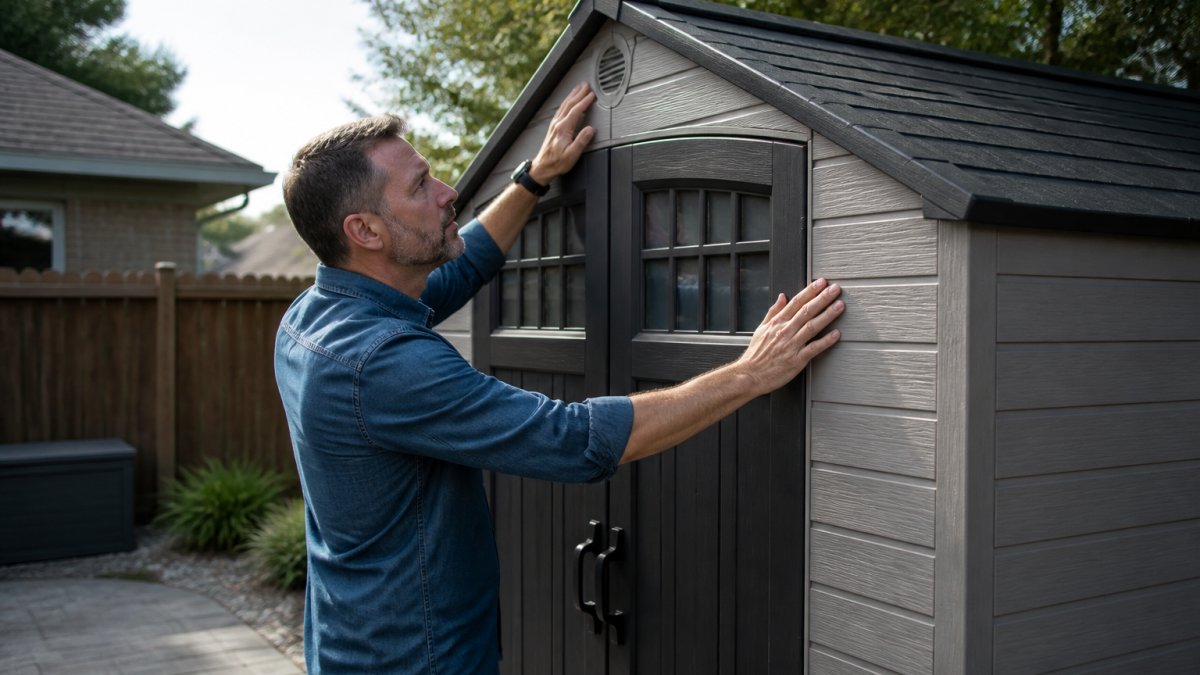
Budget sheds use thinner materials and fewer support points. They're designed to be cheap to manufacture, not to last. Mid-range sheds add reinforced frames and thicker panels. Premium sheds use heavy-duty materials, welded joints (for metal), and engineered roof systems that shed water effectively.
The American Society for Testing and Materials publishes standards for outdoor storage structures, but most sheds don't meet them. Specialized retailers often exceed these standards because durability is their selling point. A galvanized steel shed from Home Outpost Supply uses proper bracing and sealed seams. A resin shed uses UV-stabilized plastic and reinforced corners.
Here's what to check when comparing sheds:
- Frame thickness and material (thicker = stronger)
- Roof design (pitched roofs shed water better than flat)
- Panel thickness (measured in millimeters for plastic, gauge for metal)
- Fastening method (bolts and welds last longer than screws)
- Floor system (integrated floor or need to build your own?)
Big-box sheds often cut corners on these details to hit a price point. Specialized retailers prioritize durability because they know their reputation depends on it.
Which Option Wins for Your Situation
The answer depends on three factors: budget, timeline, and how long you want to keep the shed.
Choose Home Depot or Lowe's if: You need a shed in the next two weeks and you're okay replacing it in 5-7 years. You're willing to handle assembly and foundation work yourself.
Choose a specialized online retailer like Home Outpost Supply if: You want a shed that lasts 10-15+ years. You value peace of mind and dedicated support. You're willing to invest upfront to avoid replacement costs later.
The math is simple: a $2,000 shed that lasts 15 years costs $133 per year. A $1,000 shed that lasts 5 years costs $200 per year.
The choice between big-box and specialized retailers comes down to what you value. If you prioritize convenience and low upfront cost, Home Depot and Lowe's deliver.
Frequently Asked Questions
Are sheds from specialty retailers more durable than big-box store sheds?
Durability depends on materials and construction quality, not just where you buy. Big-box retailers stock sheds from various manufacturers with different quality levels. Specialized online retailers often focus on mid-to-premium options with better materials and longer warranties. The key difference: online retailers typically provide detailed specifications and better warranty coverage. A resin shed from a specialized retailer often outlasts a budget wood shed from a big-box store, but comparing equivalent materials and prices, durability is similar. Always check the warranty and material specifications regardless of retailer.
What materials make a shed last longer?
Galvanized steel and high-quality resin typically outlast wood in most climates. Galvanized steel resists rust and won't rot with minimal maintenance. Resin sheds resist moisture and UV damage without painting or staining. Wood sheds require regular maintenance (painting, staining, repairs). Your climate matters: resin performs well in humid areas, steel in varied climates, and wood only in dry regions with committed maintenance. Foundation quality also affects lifespan regardless of material.
What should I check in a shed's warranty before buying?
Check four key areas: coverage length (material vs workmanship), what's actually covered (weather damage, rust, structural failure), what voids the warranty (improper installation, lack of maintenance), and service responsibility (does the retailer or manufacturer handle claims). Ask whether the warranty covers weather-related damage and rust, as these are common failure points. Also confirm whether professional installation is required to maintain warranty validity.
How do I compare shed installation and delivery options?
Compare three costs: delivery, assembly, and site preparation. Specialized online retailers often include insured shipping. Always ask if the retailer prepares the site or if that's your responsibility, improper foundation preparation is a major cause of early failure. Check whether assembly is included with delivery or costs extra. For large sheds (8'x12' and up), professional installation is worth the cost because proper leveling and anchoring directly affect durability and door operation.
Does a shed need a foundation to last?
Yes, foundation quality is one of the biggest factors determining shed lifespan. Without proper foundation, moisture accumulates underneath, causing rot in wood and rust in metal. A level, well-drained foundation (concrete pad, gravel base, or concrete blocks) prevents water damage and allows the shed to sit securely. Most manufacturers require a prepared foundation as a condition of warranty coverage. This is a non-negotiable investment for durability.


Leave a comment
This site is protected by hCaptcha and the hCaptcha Privacy Policy and Terms of Service apply.