


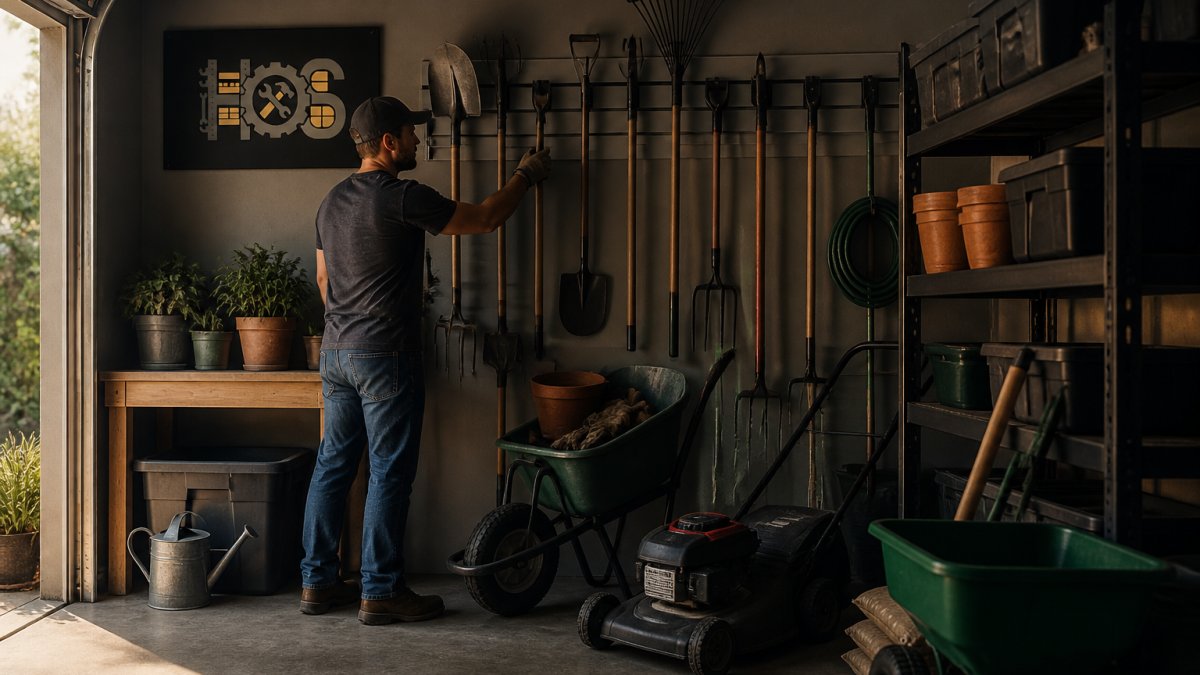
How to Store Garden Tools in a Small Garage
Table of Contents
- Assess Your Space and Plan Your Layout
- Wall-Mounted Garden Tool Organizer Systems
- Long-Handled Tool Storage Solutions
- Small Garage Storage Ideas for Hand Tools and Supplies
- Garden Tool Storage Ideas Using Vertical Space
- Move Bulky Equipment Outside to a Dedicated Shed
- Protect Tools from Moisture and Rust
- Common Mistakes to Avoid When Organizing Garden Tools
- Frequently Asked Questions
Last Updated: October 6, 2026
Assess Your Space and Plan Your Layout
Learning how to store garden tools in a small garage requires strategy before you start hanging anything. The first step is measuring what you have and deciding what stays inside versus what moves outside.
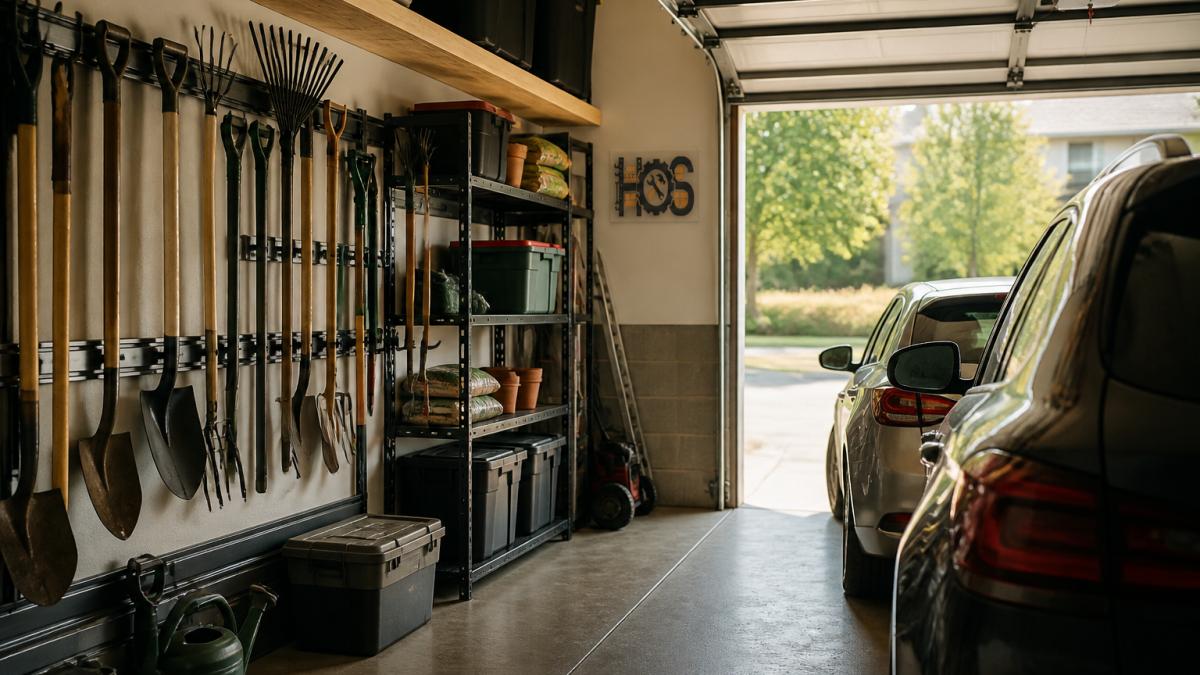
Walk through your garage with a tape measure. Note the wall dimensions, ceiling height, and the space your vehicles actually need. Most people overestimate how much floor space they can afford to give up. If you park cars there, that's your baseline. Everything else fits around that reality.
Next, sort your tools into categories:
- Long-handled tools (shovels, rakes, picks, brooms)
- Hand tools (pruners, trowels, small spades)
- Lawn-care equipment (mower, spreader, trimmer)
- Seasonal items (holiday decorations, pool supplies)
- Chemicals and supplies (fertilizer, pesticides, cleaning products)
The tools you use weekly stay most accessible. Seasonal items go higher or further back. This simple sorting saves hours of searching later.
The key is vertical thinking. Most small garages waste ceiling and wall space while tools pile up on the floor.
Here's a simple layout approach for a typical small garage:
- Wall 1 (left side): Long-handled tool storage
- Wall 2 (back): Shelving for bins and smaller supplies
- Wall 3 (right side): Hand tools and seasonal items
- Floor: Vehicles only, plus one small work surface
This keeps everything within arm's reach while maintaining clear driving lanes.
Wall-Mounted Garden Tool Organizer Systems
Wall-mounted storage is the fastest way to reclaim floor space in a small garage. When you move tools off the ground, you immediately see the difference.
The best wall-mounted systems combine hooks, brackets, and racks into one unified approach. Rather than scattering random hooks across your walls, a coordinated system looks intentional and holds more weight.
Consider the Nova Series Garage Cabinet Set C if you want enclosed storage. At approximately 64 inches wide by 72 inches tall, it mounts directly to your wall and keeps tools, automotive supplies, and gardening equipment behind closed doors. The soft-close drawers and water-resistant finish handle garage conditions well. This approach works best when you want a polished look and don't mind spending more.

For a budget-friendly alternative, simple wall-mounted hooks and brackets do the job effectively. They're visible, but they're also honest, you see exactly what you have.
The real advantage of wall-mounted organizers is accessibility. Your most-used tools stay at eye level. Less-used items go higher. Everything has a designated spot, so you spend less time hunting and more time working.
Long-Handled Tool Storage Solutions
Long-handled tools are the hardest items to store in a small space. A shovel or rake leans against the wall and takes up floor space. A broom handle sticks out into your walking path. These tools need dedicated storage that keeps them vertical and out of the way.
Hooks and Brackets for Hanging Tools
U-shaped hooks are the simplest solution for long-handled tools. Mount them 6 to 8 inches apart on a wall, and each hook holds one tool securely. The tool hangs vertically, using wall space instead of floor space.
Install hooks at a height where you can reach them comfortably but high enough that the tool handles don't block your path. Most people install them between 4 and 6 feet up the wall.
Heavy-duty hooks rated for at least 25 pounds each work best. Garden tools are lighter than that individually, but a full set of hooks carries real weight. Always anchor hooks into wall studs when possible. Drywall anchors work for lighter loads, but studs provide the security you need for regular use.
Brackets designed for long-handled tools often include a vertical arm that holds the handle and a horizontal base that mounts to the wall. These keep tools organized and prevent them from rolling or shifting when you grab something nearby.
Racks Designed for Shovels, Rakes, and Picks
Tool racks designed specifically for long-handled equipment hold multiple tools in a compact footprint. A typical rack measures 24 to 36 inches wide and holds 4 to 8 tools depending on design.
Some racks use vertical slots that separate each tool. Others use a rail system with adjustable clips. Both approaches work. The slot design prevents tools from sliding against each other. The clip system offers more flexibility if you swap tools in and out frequently.
Mount racks at a height where you can reach the top without a ladder. A 5-foot mounting height works for most people. This keeps shovels and rakes at a comfortable grab height while using wall space efficiently.
The advantage of a dedicated rack is organization. Instead of tools leaning randomly, each one has a spot. You know exactly what you have and where it is.
Small Garage Storage Ideas for Hand Tools and Supplies
Hand tools and small supplies need different storage than long-handled equipment. These items are lighter, smaller, and easier to organize in compact spaces.
Wall-Mounted Shelving and Cabinets
Wall-mounted shelving keeps hand tools, small pots, gloves, and supplies organized and visible. Adjustable shelves let you customize spacing based on what you store.
A typical wall-mounted shelf unit measures 36 to 48 inches wide and 24 to 36 inches tall. Mount it at a height where you can reach the top shelf without straining. Most people install shelves between 4 and 5 feet up the wall.
The Nova Series Garage Cabinet Set C mentioned earlier includes shelving and closed storage. If you prefer open shelves, simple wall-mounted units from hardware retailers work fine. The key is choosing shelves rated for the weight you're storing.

Shelves also create horizontal lines that break up wall space visually. They're functional and they make a garage feel more organized.
Bins, Totes, and Drawer Organization
Bins and totes keep small items grouped by category. Label each bin clearly: "Hand Tools," "Fertilizer," "Seasonal," "Cleaning Supplies." This labeling saves time when you need something specific.
Clear plastic totes let you see contents without opening them. Opaque bins work too, but labels become more important.
Stack totes on shelves or the floor to maximize vertical space. A typical storage tote measures 18 by 24 inches and holds surprising amounts when packed efficiently. Three stacked totes occupy only about 3 square feet of floor space.
Drawer organizers work well for small hand tools. Dividers keep pruners, trowels, and small spades from tangling together. A single drawer organizer can hold 15 to 20 small tools in an area no larger than 2 feet by 3 feet.
Outdoor Steel 7 x 4-ft Storage Shed with Sloped Roof →
Garden Tool Storage Ideas Using Vertical Space
Your ceiling is wasted space in most garages. Motorized lifts and overhead racks transform that unused area into practical storage for seasonal and bulky items.
Overhead Storage Lifts for Seasonal Equipment
A motorized storage lift brings items down to you instead of requiring ladders and wrestling with heavy boxes. The Auxx-Lift Storage Lift starts at $2,389.00 and offers 400 to 800 pounds of lifting capacity depending on configuration.
Load your platform at a comfortable height, press a button, and the lift raises your items overhead. When you need something, lower it back down. No climbing. No struggling.
This system works best for seasonal items you access a few times per year: holiday decorations, camping gear, pool supplies, or winter sports equipment. Items you use weekly should stay at ground level for quick access.
Choose a size that fits your ceiling clearance and the items you're storing.
Always follow the manufacturer's instructions and have a professional install if you're unsure about structural requirements.
Slatwall and Adjustable Wall Systems
Slatwall panels create a flexible wall storage system using specialized brackets and hooks. Unlike permanent shelving, slatwall lets you rearrange storage as your needs change.
A slatwall panel typically measures 4 feet wide by 8 feet tall. Mount panels to wall studs using appropriate fasteners. The vertical slots accommodate hooks, shelves, baskets, and specialized brackets.
This system works well for garages where storage needs change seasonally. In spring, you might organize more lawn-care tools. In winter, you shift to holiday storage. Slatwall accommodates both without permanent installation.
The cost is moderate. A basic slatwall kit for a small area runs $200 to $400 depending on materials and coverage.
Move Bulky Equipment Outside to a Dedicated Shed
When your garage is truly small, the real solution is moving bulky items outside. A dedicated outdoor shed for lawn mowers, bicycles, and seasonal equipment frees up significant indoor space.
The Outdoor Steel 7 x 4-ft Storage Shed with Sloped Roof costs $982.40 and provides 154 cubic feet of storage. This compact shed fits alongside a house or fence and holds a mower, tools, and seasonal gear without dominating your yard.

For larger needs, the Patiowell 8' x 12' Resin Storage Shed with Floor starts at $3,090.10. This substantial structure holds bicycles, lawn equipment, gardening supplies, and seasonal items all in one place.
Moving lawn-care equipment outside is the single biggest space-saver for a small garage. A typical push mower, string trimmer, and spreader occupy 40 to 60 square feet of floor space. A shed moves all of that outside and opens up your entire garage.
The 8' x 16' Resin Outdoor Storage Shed with Carpet Flooring offers even more space at $1,996.95. The carpeted floor creates a finished storage environment for items you want to protect from moisture and dust.
Protect Tools from Moisture and Rust
Garden tools rust when exposed to moisture. A small garage often has humidity issues, especially if you're storing tools that come in wet from the yard.
Keep tools dry by wiping them before storage. After using a shovel in damp soil, wipe the blade dry. Hang wet tools in an open area where air can circulate before storing them.
Store metal tools in a dry area away from direct moisture. If your garage has a concrete floor, moisture wicks up from below. Shelving elevates tools above floor-level humidity. Wall-mounted storage does the same.
For long-term storage of seasonal tools, apply a light coat of machine oil to metal parts. This prevents rust during months of non-use. Wipe off excess oil before using the tool again.
Common Mistakes to Avoid When Organizing Garden Tools
The most common mistake is storing everything inside because you own it. Not every item needs to stay in your garage.
Another mistake is mounting storage too high or too low. Hooks installed 7 feet up the wall are difficult to reach. Shelves at ankle height force you to bend constantly.
Don't overcomplicate the system. Simple hooks and shelves beat elaborate organizing solutions that take hours to install and require constant maintenance. The best storage system is one you'll actually use.
Avoid storing heavy items on high shelves. A bag of soil or fertilizer weighing 40 pounds belongs on a lower shelf where you can grab it without reaching overhead.
Never block access to frequently used tools. Keep your most-used items at eye level and within arm's reach. Everything else can go higher or further back.
Finally, don't assume one storage solution works for everything. Long-handled tools need racks. Hand tools need drawers or bins. Seasonal items need overhead space or an outdoor shed.
A small garage doesn't have to feel cramped and chaotic.
Frequently Asked Questions
What is the best way to store shovels, rakes, and hoes in a small garage?
Long-handled tools take up floor space quickly. Use wall-mounted hooks, U-shaped brackets, or tool racks mounted at eye level or higher. Position handles vertically or at an angle to maximize wall space. For a small garage, aim to keep all long-handled tools off the floor. Dedicated racks designed for garden tools prevent them from leaning against walls and creating hazards.
How do you organize garden tools without taking up floor space?
Go vertical. Install wall-mounted cabinets, pegboards, or slatwall systems to store hand tools, gloves, and small supplies. Use overhead storage lifts for seasonal items and bulky equipment. Mount shelving above workbenches or along unused wall space. The Nova Series Garage Cabinet Set ($1,204.95) or Astro Series Cabinet Set ($1,832.95) provide wall-mounted storage that keeps your floor open for vehicles and projects.
How should you store garden tools to prevent rust?
Keep tools dry and off the ground. Store them in a climate-controlled garage or in an outdoor shed with ventilation to reduce moisture buildup. Wipe metal blades and handles dry after use. Consider a dedicated outdoor shed like the Outdoor Steel 7x4-ft Storage Shed ($982.40) for long-term protection.
What should you avoid storing in a small garage?
Keep heavy, bulky lawn equipment like mowers outside in a shed. Don't stack items on the floor that could block vehicle access or create tripping hazards. Avoid storing items that attract moisture or pests.



Leave a comment
This site is protected by hCaptcha and the hCaptcha Privacy Policy and Terms of Service apply.