


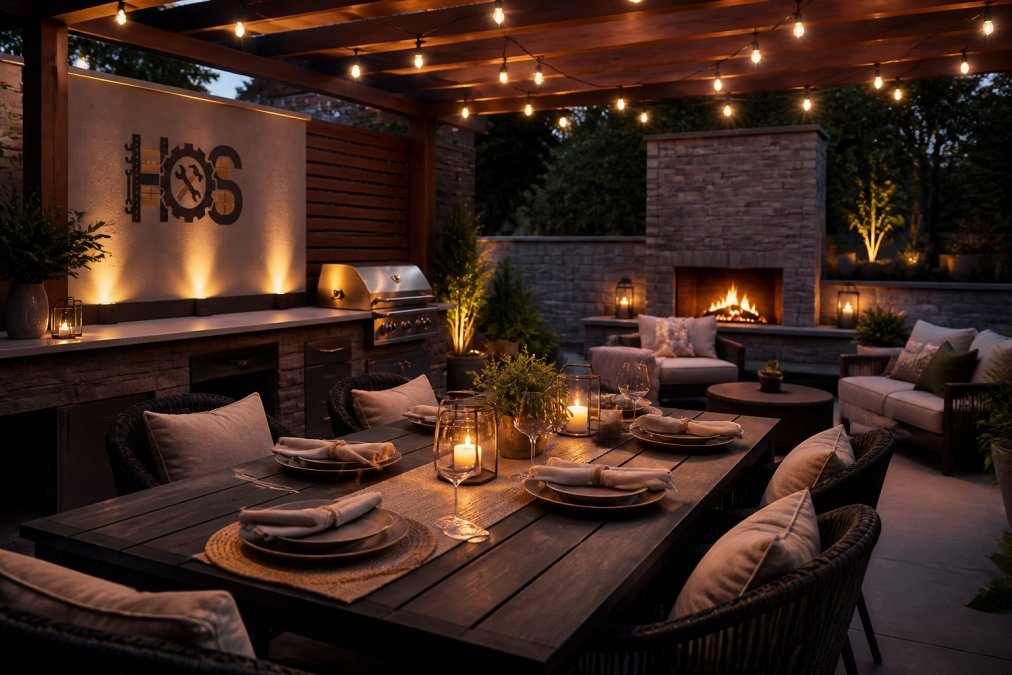
How to Make a Patio More Inviting for Entertaining
Table of Contents
- Start With a Furniture Layout That Works for Conversation
- Layer Lighting to Set the Mood After Dark
- Backyard Entertaining Essentials 2026: What Actually Matters
- Outdoor Kitchen Design Ideas That Keep Guests Mingling
- How to Style a Small Patio for Guests Without Crowding It
- Add Warmth and Comfort With Textiles, Greenery, and Heat
- Protect Your Inviting Patio Investment With Simple Maintenance
- Frequently Asked Questions
Last Updated: September 22, 2026
Start With a Furniture Layout That Works for Conversation
The fastest way to learn how to make a patio more inviting for entertaining is to arrange seating so guests face each other. A conversation set, or a sofa and chairs pulled into a rough circle, does more for a party than any decoration.
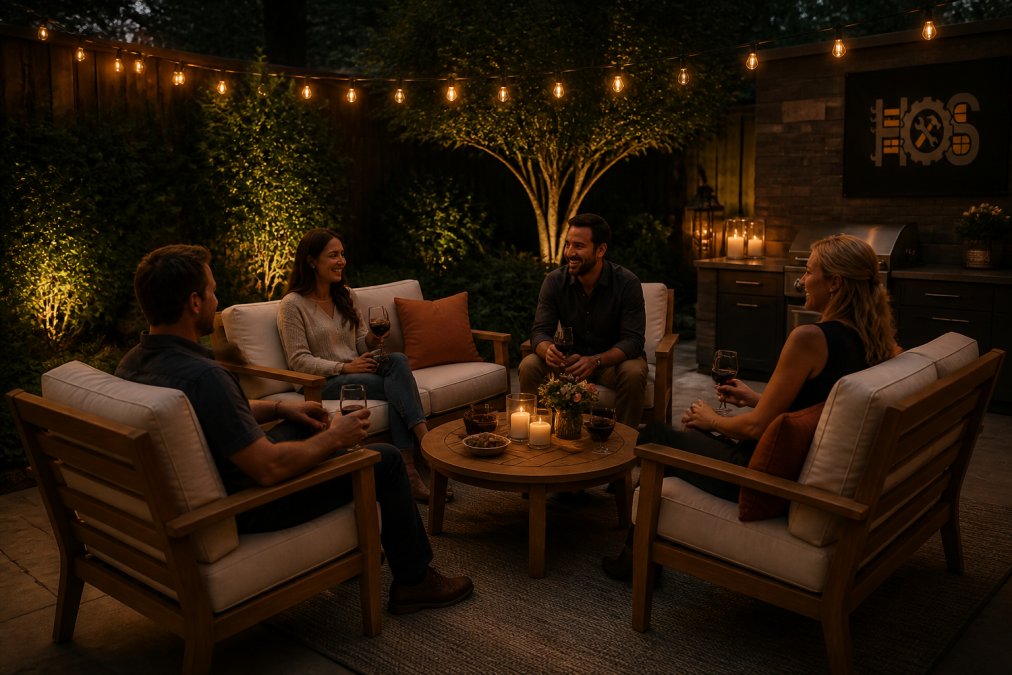
Most patios fail at this one thing. The furniture hugs the walls, and everyone ends up staring at the back of someone's head.
So pull the seating away from the house.
Anchor the Space With a Conversation Set
A conversation set gives the layout a center of gravity. It defines where people gather and where they don't.
- Pull seating into a circle, not a line
- Keep 18 inches between sofa and table
- Leave a clear path to the grill and the door
Layer Lighting to Set the Mood After Dark
Good patio lighting comes in three layers: overhead, mid-level, and low. Each layer does a different job, and together they create a cozy atmosphere that keeps guests outside longer.
- String lights overhead for base glow
- Lanterns at table height for reading faces
- Fire pit or candles for low, warm light
Backyard Entertaining Essentials 2026: What Actually Matters
The backyard entertaining essentials that matter most in 2026 come down to four things: seating, light, heat, and shade. Everything else is decoration. Guests remember whether they were comfortable, not whether your napkins matched.
The Four Essentials, Ranked by What Guests Notice First
| Priority | What to Add | Why It Matters | Rough Budget Share |
|---|---|---|---|
| 1 | Seating for your real guest count | Guests leave early when they have nowhere to sit | 40-50% |
| 2 | Layered lighting | Extends the party past sunset | 15-20% |
| 3 | Fire pit or patio heater | Keeps guests outside on cool nights | 15-20% |
| 4 | Shade structure | Makes daytime hosting bearable | 10-15% |
Those budget shares are a planning heuristic, not a rule. The point is that seating should eat the largest single slice, and decor should be whatever is left, not the starting line.
Seating: Count Real Guests, Not Ideal Ones
Count the largest group you actually host, not the group you wish you hosted. If your biggest gathering is eight, buy for eight. A common pattern is hosts buying for twelve and then living with four empty chairs that make the patio feel sparse on normal nights.
Lighting: Three Layers, Three Jobs
Overhead string lights give the base glow. Mid-level lanterns at table height let guests read each other's faces. Low light from a fire pit or candles anchors the seating zone. Skip any one layer and the space feels either flat or harsh.
Heat: The Season Extender
A fire pit table or a patio heater adds weeks to each end of your hosting season. A fire pit doubles as a table and a focal point; a heater is cheaper and more directional. If your guests tend to sit in one cluster, a heater wins on efficiency. If they roam, a fire pit wins on atmosphere.
Shade: The Daytime Essential
Shade is the one essential people skip because they host mostly at night, then regret the first summer afternoon party. A pergola, a cantilever umbrella, or a shade sail all work. The trade-off is permanence versus flexibility: a pergola is a build, an umbrella is a purchase, and a sail is somewhere in between.
Outdoor Kitchen Design Ideas That Keep Guests Mingling
The best outdoor kitchen design ideas put the cook in the middle of the party, not off in a corner. When the grill faces the seating area, the host stays part of the conversation.
- Face the grill toward the seating, not the fence
- Add a fridge so the host stops disappearing
- Use the island as a serving surface, not just a cooking station
How to Style a Small Patio for Guests Without Crowding It
Styling a small patio for guests starts with one rule: fewer, bigger pieces beat many small ones. A single sectional reads calmer than four separate chairs, and it seats more people. But the rule only works if you also plan the walking path, the drink surfaces, and where everything goes when the party ends.
Measure Before You Buy
Walk the patio and mark three distances with painter's tape:
- The door-to-seating path. Guests need about 3 feet of clear width to walk through without turning sideways. Anything narrower and people start apologizing to each other.
- The seating-to-table gap. Keep roughly 18 inches between the sofa edge and the coffee table. That is knee room plus a drink's width.
- The grill clearance. Leave at least 3 feet of open space in front of any grill or fire feature. Less than that and the cook is trapped against the seating.
Zone the Patio Like a Room
A small patio works when it has two zones, not five. Pick a primary zone (seating and conversation) and a secondary zone (grill, bar cart, or plant corner). Everything else is storage.
Go Vertical for Everything You Can
Floor space is the scarcest resource, so move what you can onto walls and railings:
- Hang string lights vertically down a wall instead of across a ceiling you may not have.
- Mount a folding bar shelf or a slim console against the house wall for drinks and plates.
- Use a railing planter or a wall-mounted trellis for greenery instead of a row of floor pots.
- Choose one tall planter over five small ones. One tall element adds height without eating walking room.
Choose Furniture That Does Two Jobs
Every piece on a small patio should earn its footprint. A storage bench seats two and holds cushions. A fire pit table is heat, light, and a serving surface. A bar cart rolls out for parties and tucks against the wall the rest of the week. A nesting side table splits into two drink surfaces and then stacks into one.
Plan for Where It All Goes
Small patios feel cramped mostly because there is no home for the extras. Decide before the party where the following live when not in use: cushions, throw blankets, serving trays, and the cooler. A weatherproof deck box doubles as a bench and solves most of this in one purchase.
Add Warmth and Comfort With Textiles, Greenery, and Heat
Knowing how to make a patio more inviting for entertaining comes down to softness and warmth, not more furniture. Textiles and plants do the heavy lifting, and heat keeps guests outside when the temperature drops.
- Outdoor rug to define the seating zone
- Cushions and throw pillows for softness
- Planters and vertical gardening for color
- Fire pit or heater for warmth
Protect Your Inviting Patio Investment With Simple Maintenance
A patio stays inviting only if you maintain it. Teak, cushions, and metal all need small, regular care, and skipping it costs you years of use.
- Clean teak twice a year with mild soap
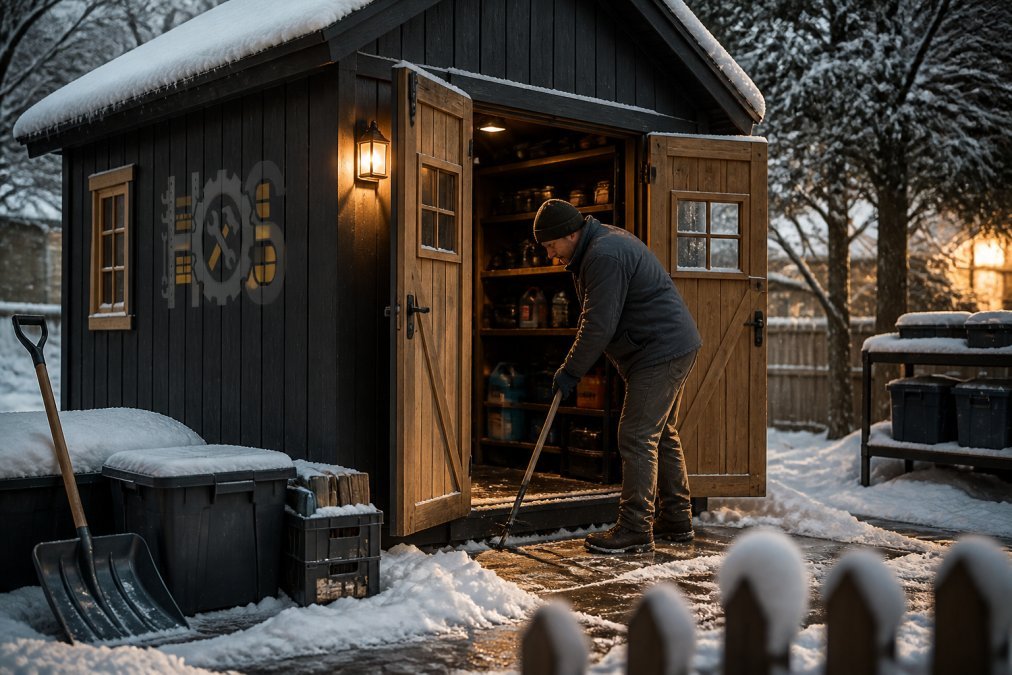
- Store cushions during storms
- Check gas lines before each season
- Cover furniture during long stretches of bad weather
Frequently Asked Questions
What are the essential elements for an outdoor entertaining space?
A functional outdoor living space needs comfortable seating arranged for conversation, layered lighting for evening ambiance, and a surface for food and drinks. Add weather-resistant textiles like outdoor rugs and cushions, plus planters for greenery. A fire pit or heat source extends the season. Start with seating and lighting, then layer in decor and shade structures as your budget allows.
How do I choose the right lighting for a patio?
Use three layers: ambient light for overall visibility, task lighting near dining or cooking areas, and accent lighting for mood. String lights overhead create a cozy atmosphere, solar-powered lanterns line pathways, and battery candles add warmth on tables. Avoid harsh white bulbs. Warm white (2700K-3000K) keeps the space feeling intimate rather than clinical.
How can I make a small patio feel inviting without overcrowding it?
Choose furniture that fits your actual square footage. A modular sectional or bistro set works better than a full dining table in tight spaces. Use vertical gardening and wall-mounted planters to add greenery without eating floor space. Stick to two or three larger decor pieces instead of many small ones, and pick furniture with slim profiles. Mirrors or light-colored pavers can make the area feel larger.
What should I look for in weather-resistant patio furniture?
Check the frame material and cushion fabric. Teak wood resists rot and withstands rain, sun, and snow. Powder-coated aluminum won't rust. For cushions, look for UV-resistant, quick-drying fabric with removable covers you can wash. Store cushions during heavy storms to extend their life, and wipe down frames seasonally. Quality materials cost more upfront but last years longer than budget alternatives.
Hosting outdoors takes work, and clutter, bad seating, and flimsy gear make it harder than it needs to be. Home Outpost Supply helps busy homeowners fix that with durable outdoor furniture, outdoor kitchens, and storage built to last. Every order ships tracked and insured, and our team stays available before and after you buy. Get started with Home Outpost Supply and turn your patio into a space guests actually want to stay in.


Leave a comment
This site is protected by hCaptcha and the hCaptcha Privacy Policy and Terms of Service apply.