


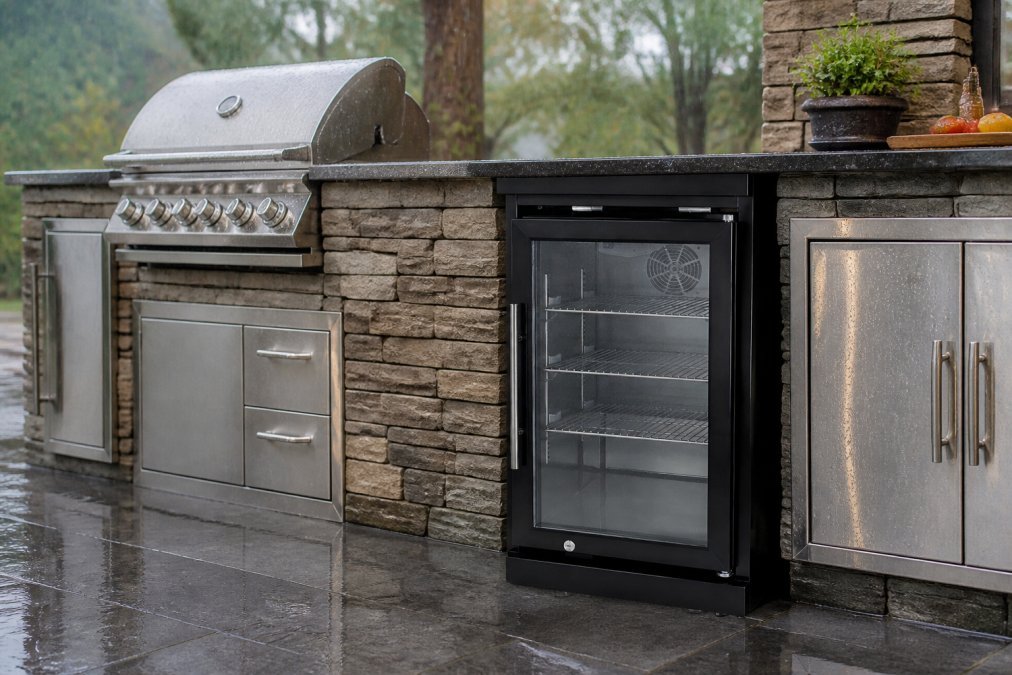
Durable Outdoor Kitchen Weatherproofing Tips
Table of Contents
- Why Outdoor Kitchen Weatherproofing Matters
- Best Materials for Outdoor Kitchen Cabinets
- Protective Covers and Storage Solutions
- Outdoor Kitchen Winterization Checklist
- Rust Prevention and Corrosion Resistance
- Drainage and Water Management
- Seasonal Maintenance Routines
- Post-Storm Recovery and Inspection
Last Updated: August 26, 2026
Why Outdoor Kitchen Weatherproofing Matters
Your outdoor kitchen is a significant investment exposed to relentless weather, temperature swings, and UV damage year-round. Without proper weatherproofing, rust develops within months, wood rots, and what started as a beautiful cooking space becomes an eyesore requiring expensive repairs or replacement.

Most homeowners treat weatherproofing as an afterthought rather than a preventive system built into their maintenance routine. By then, structural integrity is already compromised. The good news: durable outdoor kitchen weatherproofing requires understanding which materials resist the elements, which protective measures work, and how to maintain them seasonally. This guide covers the specific steps, materials, and maintenance routines that keep outdoor kitchens functional for decades.
Best Materials for Outdoor Kitchen Cabinets
Choosing the right materials forms the foundation of any weatherproofing strategy. Not all outdoor-rated materials perform equally under different climate conditions.
304 Stainless Steel: The Gold Standard
304 stainless steel is a material often specified for outdoor kitchen cabinetry because it delivers genuine corrosion resistance without requiring constant maintenance (astm.org). This marine-grade alloy contains chromium and nickel, which form a self-healing oxide layer that prevents rust from taking hold, even in salt air, high humidity, or freeze-thaw cycles.

304 stainless steel handles thermal expansion without warping, maintains structural integrity through extreme temperature swings, and resists mildew growth. When properly sealed with a powder-coat finish, 304 stainless steel cabinets can offer long-term durability.
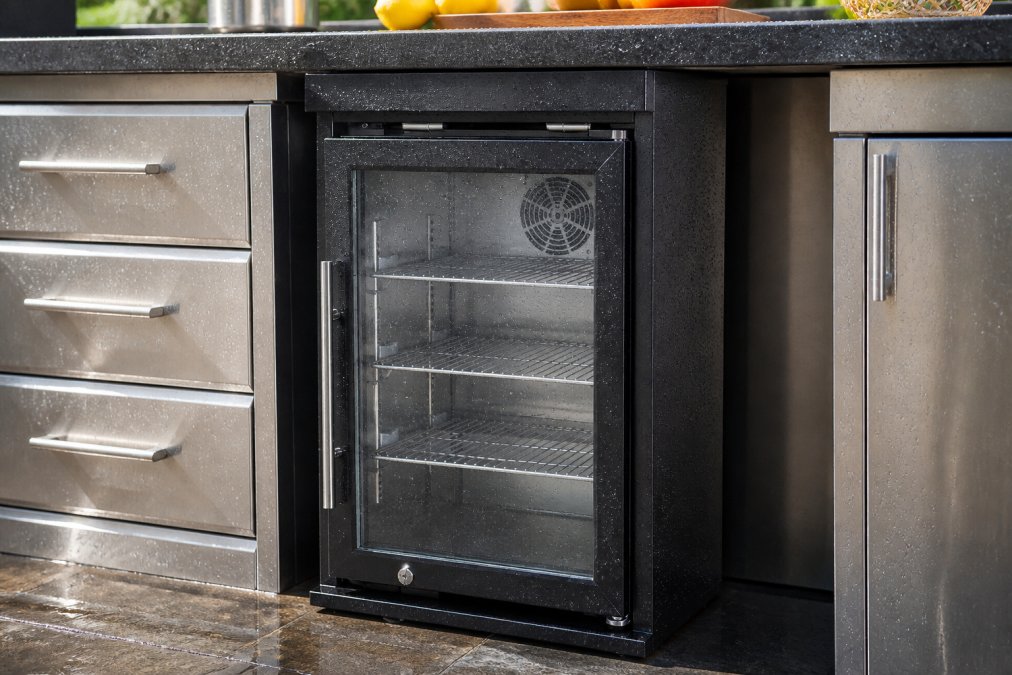
Home Outpost Supply's Black Single Door Fridge Cabinet Outdoor Kitchen Islands uses heavy-duty 304 stainless steel construction with a premium black powder coat. The Single Door Sink Cabinet with Tap Stainless Steel Outdoor Kitchen features marine-grade 304 stainless steel designed to withstand harsh weather conditions.
Powder-Coated Finishes and UV Protection
A powder-coat finish is a critical layer between stainless steel and the environment. This thermoplastic coating adheres permanently to the metal surface, creating a moisture barrier that prevents water from reaching the underlying material. Quality powder coats contain UV inhibitors that resist fading and degradation from direct sunlight.
The difference between basic paint and genuine powder coat can become obvious. Paint chips and peels, allowing moisture to penetrate. Powder coat maintains its integrity and protective properties.
HDPE Polymer and Non-Porous Materials
HDPE polymer and other non-porous materials serve as alternatives to stainless steel for storage lockers and cabinet doors. These materials resist moisture absorption entirely and don't corrode or rust under any weather condition.
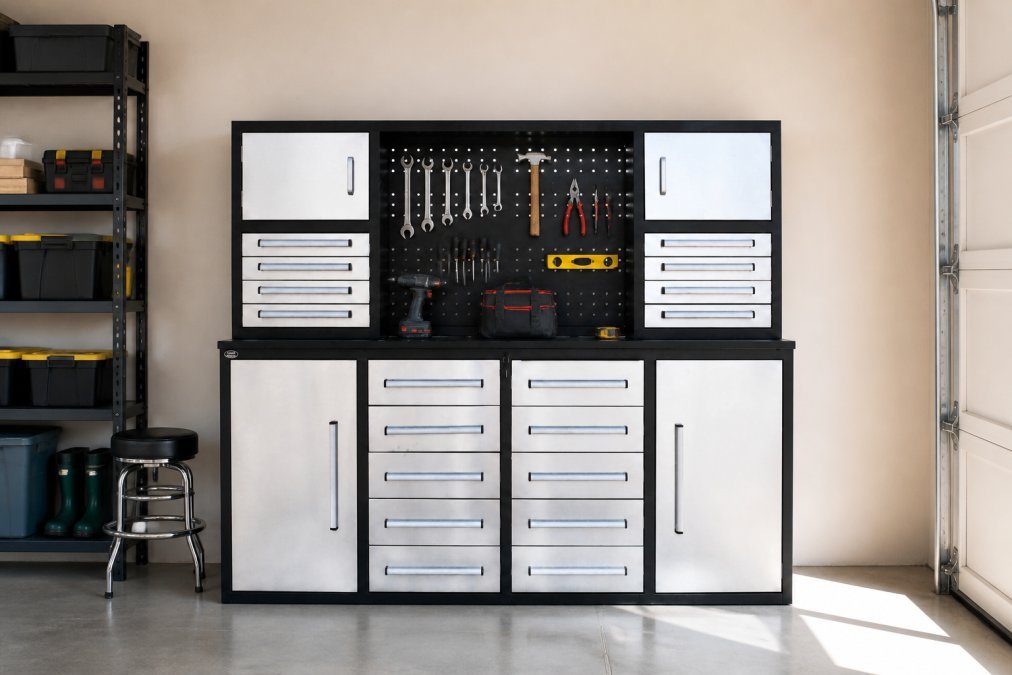
The Black Single-door Storage Locker Outdoor Kitchen Islands combines 304 stainless steel with a black powder-coat finish, offering a storage solution that resists weathering while maintaining structural integrity through seasonal temperature changes.

Protective Covers and Storage Solutions
Protective covers extend the life of outdoor kitchen components when not in active use. Quality fitted covers shield cabinets from direct UV exposure, reduce moisture accumulation during heavy rain or snow, and minimize debris that traps moisture and promotes corrosion.
Fitted covers eliminate gaps where water collects. Breathable fabric covers allow moisture trapped underneath to evaporate rather than creating a humid environment that accelerates corrosion.
For complex outdoor kitchens, consider retractable awnings or permanent overhead structures. These provide year-round protection without requiring manual cover installation and removal. A pergola or solid roof with proper drainage and ventilation prevents water pooling while allowing air circulation that prevents moisture accumulation.
Storage lockers built into your outdoor kitchen design protect tools and supplies while adding structural support to the overall framework.
Outdoor Kitchen Winterization Checklist
Winter presents a significant weatherproofing challenge because freeze-thaw cycles can cause structural damage that accumulates over multiple seasons. Water trapped in crevices expands when frozen, creating stress on seals and finishes.
Pre-Winter Inspection Steps
Begin winterization in early fall, before temperatures drop. Walk through your outdoor kitchen systematically and document the current condition of every component.
Check all cabinet seals and gaskets for cracks, gaps, or deterioration. Replace any damaged seals before winter. Inspect powder-coat finishes for chips or scratches where bare metal is exposed, these spots will rust rapidly when exposed to moisture and freeze-thaw cycles.
Examine drainage channels and gutters for debris accumulation. Clean these areas thoroughly and verify that water flows freely away from the kitchen structure. Test all moving parts, cabinet doors, drawer slides, and hinges, to ensure smooth operation. Stiff or stuck components often indicate moisture intrusion or corrosion beginning inside the mechanism.
Freeze-Thaw Cycle Protection
Freeze-thaw cycles cause significant structural damage during winter. When water trapped in seams or under seals freezes, it expands and creates stress that cracks finishes and compromises structural integrity.
Ensure all surfaces slope slightly to encourage water runoff rather than pooling. Apply waterproofing membranes to any wood or composite components before winter. Seal all joints and seams where water might collect. Silicone-based sealants remain flexible through temperature changes better than rigid caulks that crack.
Drain any water from the outdoor kitchen's internal systems before the first freeze. If your kitchen includes a sink with a water line, shut off the water supply and drain the line completely.
Rust Prevention and Corrosion Resistance
Rust develops gradually and invisibly until it becomes visible as surface discoloration or pitting. By that point, corrosion has already compromised the material beneath the surface. Effective rust prevention stops corrosion before it starts through material selection, protective coatings, and regular maintenance.
The stainless steel grade matters significantly. 304 stainless steel resists corrosion in most residential environments, but 316 stainless steel offers superior performance in salt air exposure or areas with high chloride content (astm.org). If your location experiences salt spray or uses significant road salt in winter, 316 stainless steel provides better long-term corrosion resistance.
Powder-coat finishes provide the first line of defense by blocking moisture contact with underlying metal. However, any chip or scratch creates a pathway for corrosion. Inspect your outdoor kitchen regularly for damage to the powder-coat finish and touch up any exposed areas immediately with matching stainless steel paint.
Weather-resistant hardware, hinges, handles, and fasteners prevent corrosion at connection points. Stainless steel hardware outperforms galvanized or painted alternatives because it resists corrosion independently. Replace any corroded hardware before it compromises structural integrity.
Drainage and Water Management
Poor drainage is the root cause of most outdoor kitchen weatherproofing failures. Water that doesn't drain away creates conditions for corrosion, mold growth, and structural damage.
Slope all horizontal surfaces, countertops, cabinet tops, and deck surfaces, at a minimum 2-3% grade away from the kitchen structure (icc.org). This gentle slope is barely noticeable visually but makes an enormous difference in how quickly water drains.
Install or verify the function of drainage channels beneath countertops and around cabinet bases. These channels collect water that runs down vertical surfaces and direct it away from the kitchen. Without functional drainage channels, water accumulates in the space between the kitchen and the deck, creating a hidden moisture environment that accelerates corrosion.
Gutters and downspouts attached to overhead structures should direct water away from the outdoor kitchen. Ensure that the ground beneath and around your outdoor kitchen slopes away from the structure. If ground slope is inadequate, consider installing a French drain to direct subsurface water away from the kitchen.
Seasonal Maintenance Routines
Consistent seasonal maintenance prevents small issues from becoming major problems. The specific maintenance tasks vary by season, but the principle remains constant: inspect, clean, protect, and address problems before they worsen.
Spring maintenance focuses on assessing winter damage and preparing for summer use. Clean the entire outdoor kitchen thoroughly, removing debris, mold growth, and salt residue. Inspect all seals, gaskets, and finishes for freeze-thaw damage. Test all components to ensure proper operation. Apply fresh protective coatings to any areas where the powder coat has worn or been damaged.
Summer maintenance emphasizes protection from UV exposure and heat. Apply UV-protective coatings designed for outdoor use. Clean the kitchen regularly to remove salt spray residue and dirt that trap moisture. Ensure drainage systems remain clear and functional.
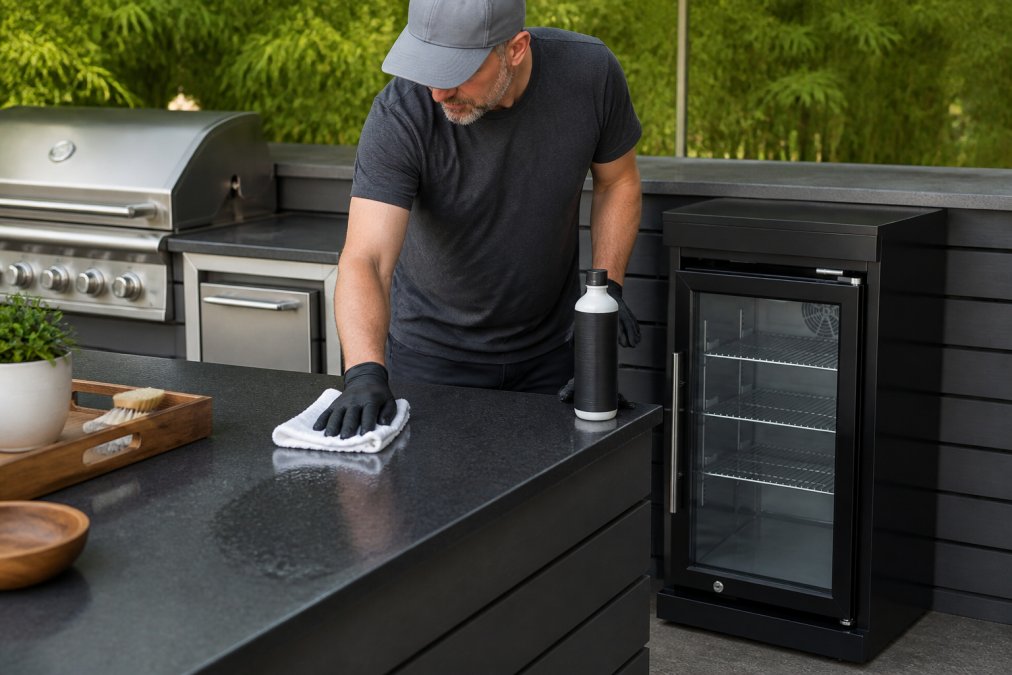
Fall maintenance prepares the kitchen for winter weather. Clean gutters and drainage channels thoroughly. Inspect and replace any damaged seals or gaskets before cold weather arrives. Apply waterproofing treatments to vulnerable areas. Drain water lines and shut off exterior water supplies.
Winter maintenance is minimal if fall preparation was thorough. Focus on keeping drainage channels clear of snow and ice, ensuring water can still drain away from the structure. Remove heavy snow accumulation from horizontal surfaces to prevent water pooling when snow melts.
Post-Storm Recovery and Inspection
Severe weather can compromise your outdoor kitchen's weatherproofing. Immediate post-storm inspection and recovery prevent minor damage from developing into major problems.
After any severe storm, inspect the entire outdoor kitchen for visible damage. Look for dents in metal components, cracks in finishes, loose hardware, or displaced protective covers. Check that all drainage systems remain clear and functional.
Address any damage immediately. Touch up scratches or chips in the powder-coat finish before rust can develop. Tighten any loose hardware. If structural damage is visible, dents affecting cabinet operation, cracks in seals, or bent components, repair or replace affected parts before resuming normal use.
After ice storms specifically, inspect for damage caused by ice weight or ice expansion. Verify that all connections remain tight and that no components have shifted.
| Maintenance Task | Season | Frequency | Priority |
|---|---|---|---|
| Clean debris and mold | Spring, Fall | 2x yearly | High |
| Inspect seals and gaskets | Spring, Fall | 2x yearly | High |
| Apply protective coatings | Spring, Summer | 1-2x yearly | Medium |
| Clear drainage channels | Spring, Fall, Winter | 3-4x yearly | High |
| Test moving components | Spring | 1x yearly | Medium |
| Drain water lines | Fall | 1x yearly | High |
| Post-storm inspection | As needed | After storms | High |
Conclusion
Durable outdoor kitchen weatherproofing requires the right materials, consistent maintenance, and a proactive approach to preventing damage before it develops. Choosing 304 stainless steel cabinetry with powder-coat finishes, implementing effective drainage systems, and following seasonal maintenance routines will keep your outdoor kitchen functional and attractive for decades.
The challenge most homeowners face is staying consistent with maintenance and investing in quality components upfront. Home Outpost Supply offers outdoor kitchen solutions built with marine-grade 304 stainless steel, durable powder-coat finishes, and weather-resistant hardware designed to withstand years of exposure. Our 5' WPPO Outdoor Kitchen with Blaze Grill combines professional-grade materials with thoughtful design that simplifies weatherproofing and maintenance. Get started with a weatherproofed outdoor kitchen that delivers both durability and the outdoor living experience you deserve.
Frequently Asked Questions
How do I weatherproof an outdoor kitchen?
Start with weather-resistant materials like 304 stainless steel and HDPE polymer for cabinets. Apply waterproofing membranes to countertops, install proper drainage systems, and use sealing agents on stone surfaces. Cover appliances with fitted grill covers when not in use, and establish a seasonal maintenance routine that includes inspections before winter and after storms. Proper ventilation prevents moisture buildup inside cabinets.
What is the best material for outdoor kitchen cabinets?
Marine-grade 304 stainless steel is a durable choice for outdoor kitchen cabinets. It offers superior corrosion resistance, especially in salt air exposure and humid climates. Pair it with a powder-coat finish for additional UV protection and aesthetic appeal. HDPE polymer and composite materials are also excellent non-porous alternatives that resist mildew and require less maintenance than wood-based options.
Do I need to cover my outdoor kitchen during winter?
Yes, covering your outdoor kitchen during winter is essential for long-term durability. Winter weather causes freeze-thaw cycles that can damage seals, hardware, and structural integrity. Use fitted protective covers for appliances and consider a retractable awning or permanent overhead structure for the entire kitchen. This prevents snow accumulation, reduces thermal expansion stress, and extends the life of your investment significantly.
How can I prevent rust on stainless steel outdoor appliances?
Prevent rust by maintaining proper drainage around appliances and wiping down surfaces regularly to remove salt air deposits and moisture. Use weather-resistant hardware with stainless steel fasteners. Inspect seals and gaskets quarterly, replacing them if cracked or degraded. Apply protective sealing agents designed for stainless steel annually. Store appliances under cover during off-season months, and ensure ventilation to prevent moisture buildup inside cabinets.
This article was written using GrandRanker


Leave a comment
This site is protected by hCaptcha and the hCaptcha Privacy Policy and Terms of Service apply.