


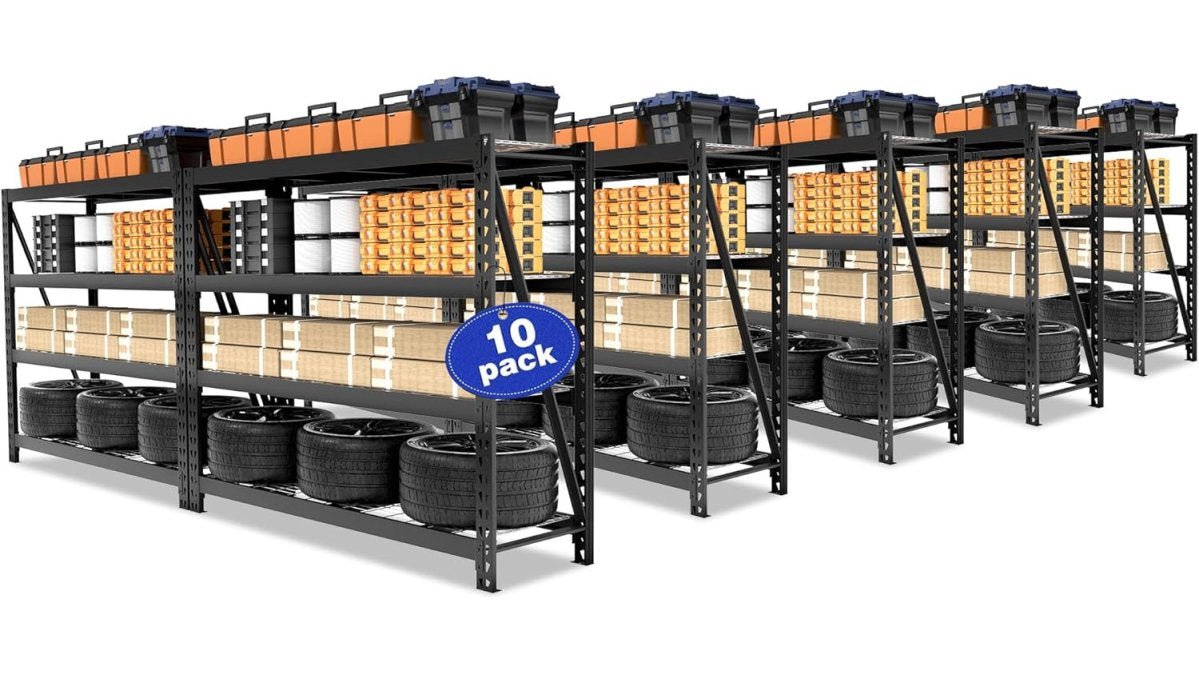
Cheap Alternatives to Heavy Duty Shelving: 7 Options
Table of Contents
- Why Heavy Duty Shelving Costs So Much
- DIY Garage Storage Ideas That Won't Break the Bank
- How to Build Garage Shelves from Plywood and Lumber
- Wall-Mounted Storage Solutions for Small Garages
- Material Comparison: Metal vs. Wood vs. Plastic Shelving
- When Cheap Alternatives to Heavy Duty Shelving Aren't Enough
- Maintaining Budget Storage Materials for Long-Term Use
- Conclusion
- Frequently Asked Questions
Last Updated: September 30, 2026
Why Heavy Duty Shelving Costs So Much
Heavy duty shelving costs so much because you pay for certified load ratings, thick gauge steel, and freight logistics, not just metal. A single industrial rack can run into the thousands, and most homeowners never need that ceiling. This guide covers seven cheap alternatives to heavy duty shelving, from DIY builds to wall-mounted systems, plus the trade-offs nobody mentions.

DIY Garage Storage Ideas That Won't Break the Bank
The cheapest storage is often the shelf you build yourself from framing lumber and plywood. A basic 2x4 frame with plywood decks costs a fraction of a manufactured rack and handles totes, paint, and seasonal gear. The trick is sizing the frame to the load rather than guessing.
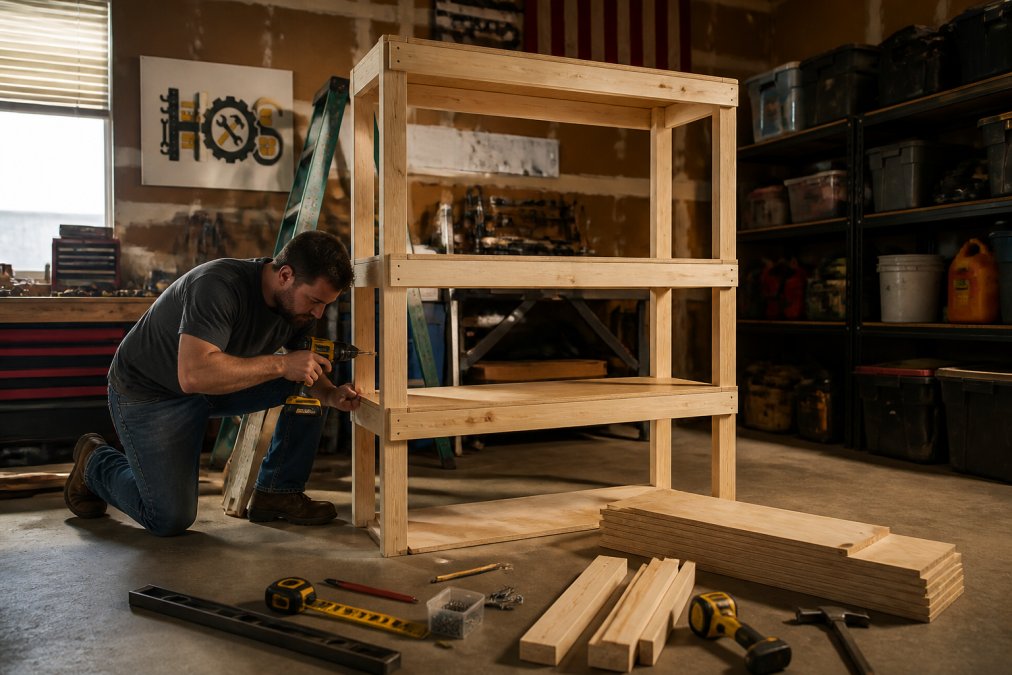
- Framing lumber shelving: 2x4 uprights with 2x4 or 2x6 rails, spaced 24 to 32 inches on center so standard totes fit between them
- Plywood deck shelves: 3/4-inch plywood spans up to about 24 inches between supports without noticeable sag under a few hundred pounds; add a center rail for wider spans
- Ceiling-mounted racks: overhead platforms for light, bulky items like holiday bins, anchored into ceiling joists rather than drywall
- Pallet upcycling: free or low-cost pallets broken down into shelf decks, with deck boards spaced for airflow
- Wall-mounted cleats: simple 2x4 cleats that hold lumber and long tools, screwed into studs at 16 or 24 inches on center
Repurposing Industrial Materials for Storage
Salvaged industrial materials can become sturdy shelving for far less than retail. Used pallet racking, steel angle, and heavy pallets show up at salvage yards, industrial surplus dealers, and online marketplaces, and they are built to a higher standard than most consumer shelving.
Where to look:
- Industrial surplus and salvage yards: decommissioned pallet racking, steel angle, and shelving uprights
- Online marketplaces: local listings for used warehouse racking, often priced by the piece rather than by the pallet
- Retail fixture resellers: wire rack panels and steel frames from closed stores
- Construction and demolition sites: heavy pallets, dunnage, and occasionally steel rack components
Cost-per-Pound Analysis: DIY vs. Store-Bought
Cost-per-pound exposes how much you pay for convenience. Divide the price of a shelving option by its rated capacity, and the gap between DIY and store-bought becomes obvious. A DIY lumber shelf rated for a few hundred pounds per tier often costs less per pound of capacity than a manufactured rack, because you supply the labor instead of paying for welding, powder coating, and freight.
| Option | Typical Cost | Capacity | Cost Focus | Best For |
|---|---|---|---|---|
| DIY lumber and plywood | Low | Moderate per tier | Lowest cost per pound | Tight budgets, custom sizes |
| Salvaged pallet racking | Low to moderate | High | Cheap high-capacity steel | Workshops, heavy tools |
| Wall-mounted brackets | Low | Light to moderate | Cheapest per shelf | Small garages, long tools |
| Reinforced plastic units | Moderate | Light | Cheapest ready-made | Quick setup, light bins |
| Home Outpost Supply WORKPRO rack | $5,069.97 (10-pack) | Up to 7,200 lbs total | Cost per pound of certified capacity | Serious, heavy storage |
How to Build Garage Shelves from Plywood and Lumber
Building garage shelves from plywood and lumber takes an afternoon and basic tools. The method below produces a freestanding unit roughly 8 feet wide and 6 feet tall, sized for standard storage totes.
What you'll need:
- 2x4 lumber for uprights and rails
- 3/4-inch plywood for shelf decks
- 3-inch structural screws
- A level and a stud finder
Cost-per-Pound Analysis: DIY vs. Store-Bought
| Option | Typical Cost | Capacity | Cost Focus | Best For |
|---|---|---|---|---|
| DIY lumber and plywood | Low | Moderate per tier | Lowest cost per pound | Tight budgets, custom sizes |
| Salvaged pallet racking | Low to moderate | High | Cheap high-capacity steel | Workshops, heavy tools |
| Wall-mounted brackets | Low | Light to moderate | Cheapest per shelf | Small garages, long tools |
| Reinforced plastic units | Moderate | Light | Cheapest ready-made | Quick setup, light bins |
| Home Outpost Supply WORKPRO rack | $5,069.97 (10-pack) | Up to 7,200 lbs total | Cost per pound of certified capacity | Serious, heavy storage |
Wall-Mounted Storage Solutions for Small Garages
Wall-mounted storage solutions free up floor space, which matters most in a small garage. Brackets and rails keep long tools, ladders, and bikes off the ground and use the vertical storage your walls already offer. The key is anchoring into studs, not drywall alone.
- Heavy-duty L-brackets: hold deep shelves for totes and equipment; a pair of 12-inch brackets rated for 250 lbs each can carry a 500-lb shelf when properly anchored
- Slatwall or pegboard panels: hang tools and small parts at eye level, but keep heavy items on brackets that reach studs
- Overhead ceiling racks: store bulky, light items above the car, anchored into ceiling joists
- Wall-mounted bike and ladder hooks: clear the floor entirely, with hooks rated for the item's weight plus a safety margin
Maintaining Budget Wall Storage
Budget wall systems last longer with simple maintenance: check fasteners, watch for pull-out, and keep loads within the bracket rating.
WORKPRO 68" 4-Tier Heavy-Duty Garage →
- Re-tighten bracket screws every few months, since vibration and load cycling loosen them
- Watch for pull-out where brackets meet the wall; a gap or cracked paint is an early warning
- Touch up rust spots on steel brackets with matching paint before they spread
- Rotate heavy loads so no single bracket carries a permanent overload
- Re-anchor if you notice any movement when you push on the shelf
Material Comparison: Metal vs. Wood vs. Plastic Shelving
Metal, wood, and plastic shelving each win in different situations. Metal offers the highest strength-to-thickness ratio and resists sagging. Wood is cheap, easy to cut to size, and simple to repair. Plastic is light, rust-proof, and quick to assemble, but flexes under heavy weight.
| Material | Strength | Corrosion Resistance | Cost | Best For |
|---|---|---|---|---|
| Steel | Highest | Good when coated | Higher | Heavy tools, high-capacity loads |
| Wood | Moderate to high | Poor if untreated | Low | Custom sizes, tight budgets |
| Reinforced plastic | Light to moderate | Excellent | Moderate | Damp areas, light bins |
When Cheap Alternatives to Heavy Duty Shelving Aren't Enough
Cheap alternatives fall short when you need certified capacity, frequent reconfiguration, or lockable storage. If your load includes engines, bulk inventory, or anything you must guarantee will not fail, a rated rack is the safer choice.
Maintaining Budget Storage Materials for Long-Term Use
Budget storage lasts longer with simple maintenance: check fasteners, watch for rust and sag, and keep loads evenly distributed.
- Re-tighten hardware every few months, since vibration loosens bolts
- Touch up rust spots on steel with matching paint before they spread
- Rotate heavy loads so no single shelf sags permanently
- Keep wood dry and off damp floors to prevent rot and warping
- Re-anchor wall units if you notice any movement or pull-out
Conclusion
The real challenge with garage storage is not finding the cheapest shelf, it is matching capacity to your actual load without overpaying for steel you will never stress. Home Outpost Supply builds its catalog around that balance, with practical, durable garage storage systems backed by insured shipping and dedicated support before and after purchase. Start with a DIY or wall-mounted solution for light loads, and step up to a rated rack when the weight demands it.
Frequently Asked Questions
What are some budget-friendly shelving ideas for a garage?
You can build simple wooden shelves from plywood and 2x4 lumber for a fraction of the cost of heavy duty shelving. Wall-mounted brackets and wire rack systems also provide affordable storage. Repurposing old pallets or industrial shelving from a salvage yard are other options. For a small garage, vertical storage using wall-mounted solutions can maximize space without a large footprint. The key is matching the shelf's weight capacity to what you plan to store.
Are DIY wooden shelves cheaper than pre-made metal shelving?
Often, yes. A basic 8-foot wooden shelf built from plywood and lumber can cost significantly less than a comparable heavy duty metal unit. However, the cost depends on lumber prices and the weight you need to support. For light to medium loads, DIY wood shelves are a cost-effective alternative. For very heavy items, a reinforced metal shelving unit may be necessary, and the cost gap narrows. Always calculate the total project cost, including hardware and finishes.
How can I maximize garage storage without buying heavy duty racks?
Use vertical space with wall-mounted storage solutions like brackets and hooks. Install a ceiling-mounted rack for seasonal items. Repurpose old cabinets or bookshelves for enclosed storage. Group items by category and use clear bins to make the most of each shelf. For heavier tools, a mobile workbench with drawers can keep them organized and accessible without a large rack. Focus on using the walls and ceiling to free up floor space.
What is the most affordable material for building custom storage shelves?
Plywood and dimensional lumber are typically the most affordable materials for DIY shelves. Medium-density fiberboard (MDF) is another low-cost option but is less moisture-resistant. For a garage, plywood offers a good balance of strength and price. You can also use reclaimed wood or pallets for a very low-cost solution, though you'll need to inspect for damage. Always seal wood shelves to protect against humidity and pests.


Leave a comment
This site is protected by hCaptcha and the hCaptcha Privacy Policy and Terms of Service apply.